

Dr. Hamed Salhab is a general dentist with a Fellowship from the American Academy of Implant Dentistry (AAID). At Roots Dental, Dr. Salhab handles implant surgery along with the follow-up care that supports recovery, all in-house — so the team that places your implant is the same team that monitors how you heal.
Most people search this either the night before an extraction or the evening after one, when the numbness has worn off and they're wondering whether what they're feeling is normal. Either way, the questions are the same: what's supposed to happen, what isn't, and when should I actually be worried. Here's the full picture.
The First 24 Hours
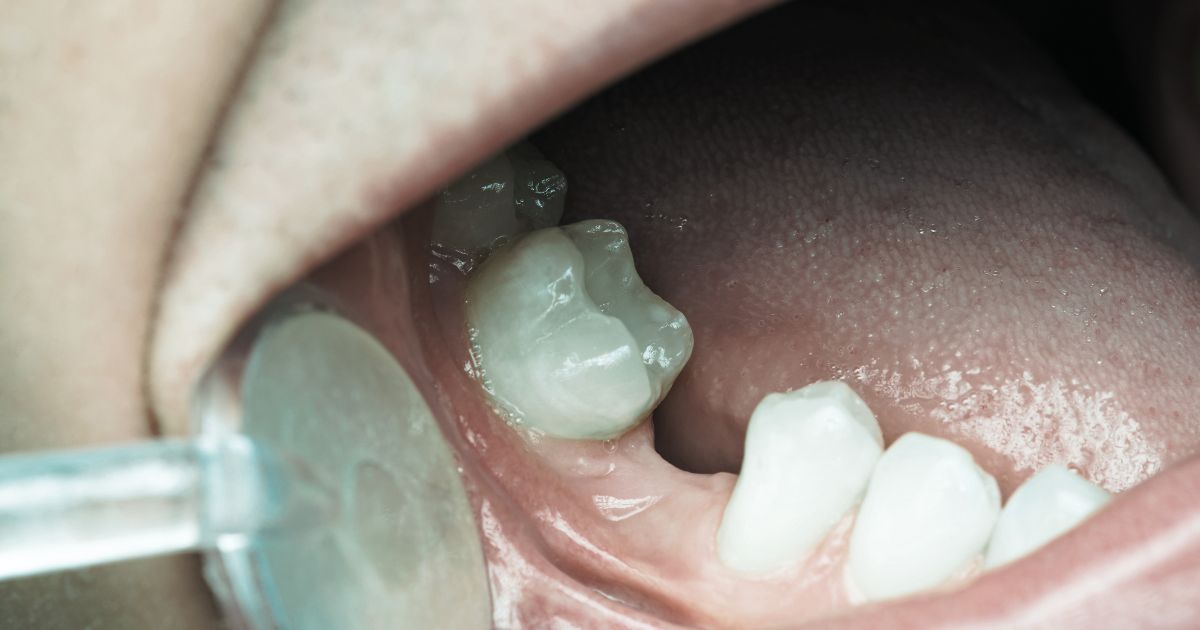
The most important thing happening right after an extraction is invisible: a blood clot forms in the socket where the tooth was. That clot is what protects the bone underneath and starts the healing. Almost everything you're told to do or avoid in the first day is about keeping that clot in place.
Some bleeding or oozing in the first few hours is normal. Biting gently on the gauze we send you home with helps it settle. You'll want to rest, keep your head slightly elevated, and take it easy rather than jumping back into a full day. Swelling often shows up in the first day and may keep building a little into the second before it turns the corner.
What to skip in the first 24 hours: no rinsing or spitting forcefully, no straws, no smoking, and nothing too hot. The suction from a straw and the pressure from spitting can pull that clot loose, which is the thing you most want to avoid early on.
Days Two Through Seven
This is where things steadily improve for most people. Swelling peaks around day two or three and then eases. Soreness fades. You can start gentle warm salt-water rinses after the first day to keep the area clean, and you can slowly widen what you eat as it feels comfortable.
Stick to soft foods early: things like yogurt, eggs, soup that isn't too hot, mashed potatoes, smoothies eaten with a spoon rather than a straw. Chew on the other side of your mouth. As the soreness settles over the week, you'll get back to normal eating without much thought.
Keep brushing your teeth, just gently around the site. Keeping the mouth clean matters for healing, but the extraction area itself wants a light touch for a few days.
How Long Full Healing Takes
The gum tissue over the socket typically closes over in the first couple of weeks. The bone underneath takes longer to fill in, often a few months, though you won't feel that happening and it doesn't hold up your normal life. For most people, "recovered" in the day-to-day sense means the few days to a week after the procedure.
If the extraction was surgical, or involved a larger or impacted tooth, expect the timeline to run a little longer than a simple extraction. We'll give you the realistic window for your specific case.
Dry Socket: The Complication to Know About
Dry socket is the one complication most people have heard of, and it's worth understanding because it has a recognizable pattern. It happens when the protective clot is lost or breaks down too early, leaving the bone exposed.
The tell is timing. With normal healing, discomfort steadily improves day by day. With dry socket, you feel better for a couple of days and then the pain gets noticeably worse, often with an ache that spreads toward the ear and a bad taste or smell. If that pattern shows up, call us. It's treatable, and there's no reason to tough it out. This is exactly why we give every extraction patient a point of contact rather than sending them off to guess.
When to Call Us
Reach out if you have bleeding that won't settle after the first several hours, pain that worsens after it had been improving, swelling that keeps growing past the third day, a fever, or anything that simply doesn't feel right. None of these mean something has gone badly wrong, but they're worth a call rather than a wait.
Why Roots Dental
- A real point of contact. Every extraction patient leaves with someone to call, so you're never left guessing whether something needs attention.
- One practice through the whole thing. The doctor who removed the tooth is the one following your healing, not a stranger at a different office.
- Comfort built in. Sedation is available for the procedure itself, and clear aftercare keeps recovery predictable.
- A practice that stays. Roots Dental has cared for Verona and Essex County families for over thirty years, and it's here well after you've healed.
Frequently Asked Questions
How long does it take to recover from a tooth extraction? Most people are back to normal within a few days to a week, with swelling peaking around day two or three. The gum closes over in a couple of weeks, while the bone underneath fills in over a few months without you noticing.
What can I eat after a tooth extraction? Stick to soft foods for the first few days, such as yogurt, eggs, soup, mashed potatoes, and smoothies eaten with a spoon rather than a straw. Chew on the opposite side and widen your diet as comfort allows.
What is dry socket and how do I know if I have it? Dry socket happens when the protective clot over the socket is lost too early. The sign is pain that worsens a few days after it had been improving, often with a bad taste or an ache spreading toward the ear. If that happens, call us — it's treatable.
When should I call the dentist after an extraction? Call if bleeding won't settle after several hours, pain worsens after improving, swelling grows past the third day, you run a fever, or something just doesn't feel right. It's always better to ask than to wait.
Facing an Extraction, or Healing From One?
If you've got a tooth that needs to come out, we'll handle it with as much comfort as possible and send you home knowing exactly what to expect. And if you're already recovering and something doesn't feel right, that's what we're here for. Book a visit or reach out with a question.