

Dr. Hamed Salhab is a general dentist with a Fellowship from the American Academy of Implant Dentistry (AAID). At Roots Dental, Dr. Salhab handles implant surgery along with the follow-up care that supports recovery, all in-house — so the team that places your implant is the same team that monitors how you heal.
Wisdom teeth have a way of announcing themselves. A dull ache at the back of the jaw. Swelling that comes and goes. A dentist pointing at an x-ray and saying the ones coming in don't have room. If you've landed here, you're probably somewhere between "is this actually a problem" and "how bad is getting them out going to be." Here's a straight answer to both.
Do Wisdom Teeth Always Need to Come Out?
No, and any place that tells you every set has to go should give you pause. Wisdom teeth are the last molars to come in, usually in the late teens or early twenties. Some people have enough room for them, they come in straight, and they cause no trouble at all. Those can stay.
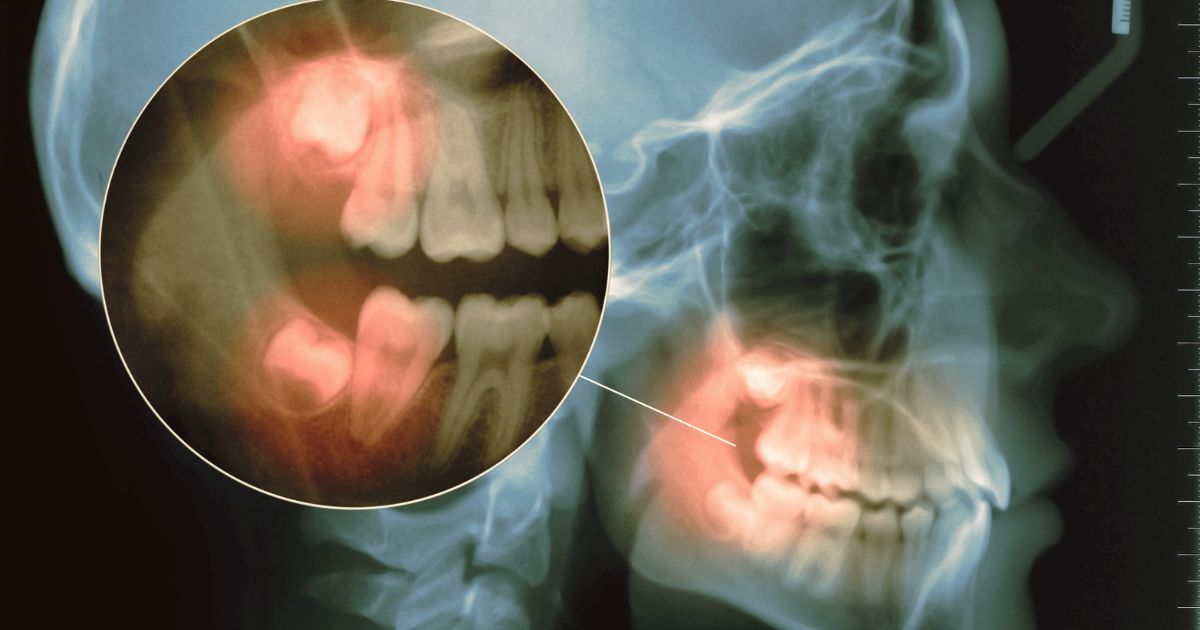
The ones that need to come out are the ones causing problems or clearly heading that way. That means teeth that are impacted (stuck under the gum or bone), teeth crowding the ones already in place, teeth you can't clean properly because of where they sit, or teeth causing pain, swelling, or repeat infections. When a wisdom tooth is partially through the gum, it creates a flap that traps food and bacteria, and that's a common source of the aching and swelling people feel.
The way we look at it, the decision comes down to whether the tooth is a problem now or is likely to become one. If it's neither, we're happy to leave it alone and keep an eye on it.
How We Decide
It starts with an exam and imaging. We look at where the teeth sit, how they're angled, how close they are to the nerve that runs through the lower jaw, and whether there's room for them to come in cleanly. That last point about the nerve matters, because a wisdom tooth sitting close to it is exactly the kind of detail that tells us whether a case is straightforward or whether you'd be better served by a specialist. We'll tell you which one yours is before anything gets scheduled.
Most wisdom teeth removal is well within what we handle here in Verona. The cases we refer out are the genuinely complex ones, and being honest about that difference is part of how we keep you safe on the ones we do.
What the Procedure Is Like
For most patients this is a single in-office visit. The area is fully numbed, and sedation is available if the idea of the procedure makes you anxious or if you'd simply rather not be aware of it. A simple extraction, where the tooth is fully through the gum, is quicker. A surgical extraction, where the tooth is impacted and needs to be accessed under the gum or removed in sections, takes a bit longer but is still routine.
You won't feel pain during the procedure. Afterward there's some soreness and swelling, which is normal and manageable, and we send you home with clear instructions for the days that follow.
Recovery: What's Normal and What Isn't
The first two to three days are usually the peak of swelling and soreness, and it eases from there. Most people are back to normal activity within a few days, though full healing of the site takes a few weeks.
What's normal: swelling, mild bleeding early on, tenderness, and needing to stick to soft foods for a bit. What isn't: severe pain that starts a few days in after things had been improving, a bad taste or smell, or bleeding that won't settle. That worsening-after-improvement pattern can be a sign of dry socket, where the protective clot over the site is lost, and it's treatable but worth calling about. We'll give you a point of contact so you're never left guessing whether something needs attention.
Why Have Them Removed at Roots Dental
- One relationship, start to finish. The same practice that knows your dental history handles the evaluation, the procedure, and the follow-up.
- Honest about scope. Straightforward wisdom teeth are handled here; complex cases near the nerve get referred, and we tell you which is which upfront.
- Comfort options. Sedation is available, so anxiety doesn't have to be the reason you keep putting this off.
- A practice that stays. Roots Dental has cared for Verona and Essex County families for over thirty years, and it's still here long after your recovery.
Frequently Asked Questions
How do I know if my wisdom teeth need to come out? If they're impacted, crowding other teeth, hard to clean, or causing pain, swelling, or infection, removal is usually the right call. If they've come in straight and cause no trouble, they can often stay. An exam and imaging tell us which applies to you.
Does wisdom teeth removal hurt? The area is fully numbed for the procedure, so you shouldn't feel pain during it, and sedation is available if you're anxious. Some soreness and swelling afterward is normal and manageable with the aftercare instructions we provide.
How long is recovery from wisdom teeth removal? Most people are back to normal activity within a few days, with swelling peaking in the first two to three days. Full healing of the site takes a few weeks.
Can all wisdom teeth be removed at Roots Dental? Most can be handled here in Verona. For complex cases, such as teeth sitting very close to the jaw nerve, we may refer you to a specialist, and we'll tell you that before scheduling anything.
Aching Wisdom Teeth? Let's Take a Look Before It Gets Worse
A quick exam and image tell us whether your wisdom teeth need to come out or can be left alone. If they need to go, we'll walk you through exactly what to expect, sedation included. If your case is one for a specialist, you'll hear that upfront. Book a consultation and stop guessing.